A practical guide to product research
Naturepedic and The Clean Bedroom: A Guide to Comparing Organic Mattress Materials
“Organic” can be a useful starting point when shopping for a mattress. It is not, by itself, a full description of what is inside one. To compare Naturepedic and The Clean Bedroom with care, look past the headline and examine the materials, layers, certifications, and documentation attached to each specific product.
A clear framework for reading mattress listings, checking claims, and asking better questions before you buy.
The comparison begins with a distinction
Naturepedic is a mattress brand. The Clean Bedroom is a retailer that offers products from brands including Naturepedic. That difference matters: one product page may be published by the maker, another by the seller, and the two pages may emphasize different details. A retailer listing can make a product easier to browse and compare; a manufacturer’s page may provide additional specifications or documentation. Neither should be treated as a substitute for checking the product itself.
There is also no single mattress called “the Naturepedic mattress” or “the Clean Bedroom mattress.” Each company’s catalog can include different designs, materials, firmness options, and price points. A meaningful comparison therefore pairs two exact models—not a brand name against a store name—and checks what each listing says about the same questions.
The discipline is simple: identify the materials, understand where they appear in the construction, verify what a certification covers, and record what remains unclear. This approach makes “organic mattress materials” more than a marketing phrase. It turns the label into a set of questions that can be answered, documented, and compared.
Start with the actual construction
A mattress is a layered object. Its comfort and support come from the combination and arrangement of those layers, not from one material name on a product page. When reviewing a listing, look for a layer-by-layer account: the cover or quilt, the filling, comfort layers, support system, and any barrier or other component that is part of the design.
For every layer, note the material and its stated thickness or role, if that information is available. “Latex” is more informative when a listing also identifies its type and location. “Coils” tells you more when the description explains whether they are pocketed or connected, how many layers are used, and what sits above them. A natural-fiber cover and a natural-fiber comfort layer are not interchangeable claims: they refer to different parts of the mattress.
Descriptions may use terms such as organic cotton, wool, latex, or steel. Record each term as written rather than assuming it applies to the entire mattress. A product might include several kinds of material, and an organic claim may relate to one component, a specific production standard, or a defined share of the product. The listing should make the scope legible.
Thickness deserves particular attention. A total mattress height is not a recipe. Two mattresses with the same profile can have very different layer arrangements; two mattresses with similar materials can use different proportions. If the page gives only the overall height, ask whether a detailed construction breakdown is available.
A retailer listing as a case study
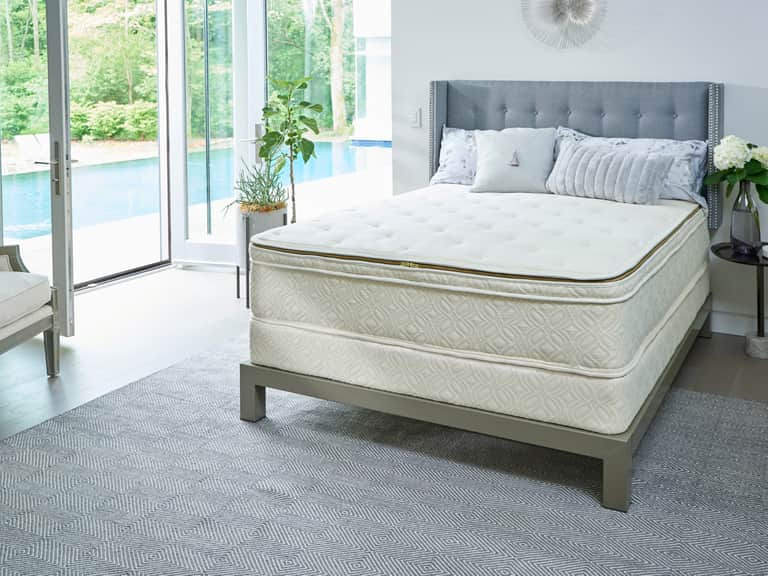
The Clean Bedroom’s listing for the Naturepedic Elysium Hybrid Organic Mattress provides a useful example of the sort of detail shoppers can collect. The product information describes a 15-inch mattress with 3 inches of customizable organic Dunlop latex, 12 inches of organic wrapped coils in two layers, and a quilted cover filled with wool, alpaca, and cashmere. It also describes the cover as organic sateen and gives its thread count as 500.
Those particulars create a more useful starting point than a general “organic” label. They identify several components, distinguish the comfort material from the support system, and give the shopper a basis for follow-up questions. The listing also says the mattress is made in the United States with domestic and imported components and refers to GOTS-approved materials. That phrasing is worth preserving accurately: it is not the same as independently establishing that every component or the finished mattress has a particular certification.
The page includes additional product information, such as available mattress sizes and a note that the mattress ships in multiple boxes and requires light assembly. Those details do not describe material composition, but they matter to the purchase decision. A careful comparison keeps practical logistics in view without confusing them with evidence for an environmental or materials claim.
Use this listing as an example of how to read a product page, not as a verdict about every Naturepedic model or every item sold by The Clean Bedroom. Specifications can differ across models and can change over time. Before buying, confirm the current product information and request documentation for any claim that is important to you.
What “organic” should prompt you to ask
“Organic” is a powerful word, but a useful comparison asks what it modifies. Is the claim about the cotton in the cover, a latex component, a textile, or the whole product? Does the listing identify a certification, the certifying organization, or a certificate number? Is the claim supported by a current document that applies to the exact model being considered?
Certifications can be helpful because they provide standards and verification beyond a company’s own description. They are not all equivalent, and their scope matters. A certification may apply to a material, a facility, a production process, or a finished article. Check the certification’s own description and ask the seller to clarify what it covers in the product under review. Do not infer from a logo or a phrase such as “made with certified materials” that every part of a mattress has been certified.
For example, the Elysium listing refers to GOTS-approved materials. A shopper who wants to understand that statement can ask which materials are covered, whether the finished mattress or only specified components are certified, and whether current documentation is available. This is not an accusation or a reason to dismiss the claim. It is a standard step in turning broad language into verifiable product information.
It is also useful to separate organic status from other attributes. “Natural,” “non-toxic,” “chemical-free,” and “sustainable” are not interchangeable terms, and none should be treated as a complete technical specification on its own. Ask what the phrase means in context and whether the company provides a defined standard or supporting documentation. Avoid making health conclusions from a marketing phrase; a product page alone cannot establish how a particular mattress will affect an individual’s health.
A fair side-by-side method
To compare a Naturepedic model with another mattress sold through The Clean Bedroom—or to compare products from different brands—build a small, consistent record. Use the same fields for each product. That prevents a richly detailed listing from appearing automatically superior to a sparse one, while still making missing information visible.
Record the product identity
- Exact model name and current product page
- Manufacturer and retailer
- Size, height, and available firmness or configuration choices
- Date you checked the listing
Map the materials
- Cover and quilt materials
- Comfort layers, including material type and thickness
- Support system and its stated construction
- Any other named components or barriers
Check the claims
- Exact wording of organic or environmental statements
- Certification name and what it applies to
- Availability of current supporting documents
- Any ingredients or construction details not disclosed
Compare the purchase terms
- Price and what is included
- Delivery, setup, and removal arrangements
- Trial, return, and warranty conditions
- Foundation or bed-frame compatibility
A blank field is not proof of a problem. It is simply a gap in the information available to you. Mark it as “not stated” rather than filling it with an assumption. Then decide whether the missing detail affects your choice enough to ask the retailer or manufacturer directly.
Questions worth sending before you buy
Clear questions often produce more useful answers than a general request for reassurance. Keep the inquiry specific and ask for a reply that identifies the model and component in question. For example:
- “Could you provide the complete layer-by-layer materials list for this exact model?”
- “Which components are certified organic, and what does the certification cover?”
- “Is the certification current, and can you share the relevant certificate or product documentation?”
- “Are any materials or components not named on the product page?”
- “Does the construction vary by size or firmness option?”
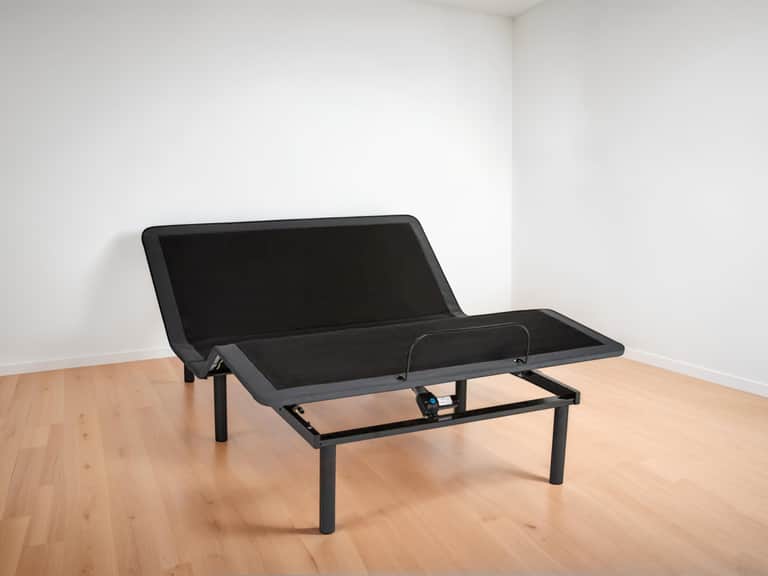
- “What foundation does the manufacturer recommend, and are there restrictions on adjustable bases?”
- “What are the current trial, return, warranty, and delivery terms?”
Keep the response alongside the product page. Retail listings change, and a saved record helps you remember what was confirmed at the time of purchase. If an answer uses broad wording but does not address the question, ask for clarification. A dependable comparison is built from details, not the confidence of the language used to present them.
Materials are only one part of fit
A detailed materials list does not tell you whether a mattress will feel comfortable. Construction, firmness, body shape, sleep position, temperature preferences, and personal experience all affect how a bed feels to an individual. Even two mattresses made with similar materials may perform differently because their layers, densities, dimensions, and designs differ.
That is why material research should sit beside practical questions about fit and ownership. Review the firmness description and available configurations, but treat subjective terms such as “plush” or “supportive” as guidance rather than guarantees. Check whether a trial period is offered, what conditions apply to returns, and whether delivery or pickup fees are involved. Read the warranty terms for the precise issues they cover; a warranty is not the same as a comfort guarantee.
Consider the complete bed, too. A mattress may require a particular foundation or support surface. The Elysium listing describes separate Naturepedic foundations, including an 8-inch standard option and a 2-inch ultra-low-profile option, with stated size availability. Confirm compatibility with the exact mattress, frame, and room setup before ordering. If a product page says a mattress ships in multiple boxes or needs assembly, include that in the logistics calculation.
These checks do not diminish the value of organic-material information. They put it in perspective. A mattress is a long-term household purchase, and responsible evaluation considers both what it is made of and how it will work in the buyer’s home.
Common comparison mistakes
The first is comparing a brand’s general reputation with a retailer’s entire selection. That is an uneven contest. Choose specific models and compare their documentation, construction, and terms on equal ground.
The second is treating every “organic” claim as if it had the same scope. Look for the named material, the relevant standard, and the document that supports the statement. If a page does not specify these, record the uncertainty rather than extending the claim beyond what it says.
The third is equating more detail with better quality. A longer product page may be more transparent, but transparency and performance are separate questions. A detailed listing tells you more about what the seller says is in the product; it does not, on its own, establish that a mattress is the right choice for you.
The fourth is overlooking the retailer-manufacturer relationship. The manufacturer may set product specifications, while the retailer presents them for shoppers. When pages differ, ask which information is current and request confirmation from the responsible source. Save the answer and note the date.
Finally, avoid allowing a single attribute to decide the entire purchase. Materials, construction, comfort, service, price, and return terms all belong in the picture. The best comparison is not the one with the most impressive slogan. It is the one in which the buyer can explain what is known, what is verified, and what remains uncertain.
A practical conclusion
Naturepedic and The Clean Bedroom can be compared usefully when the comparison is framed around exact products and the evidence attached to them. Begin with a layer-by-layer materials list. Identify which claims apply to which components. Check the language and scope of certifications. Then compare comfort options, delivery, foundation requirements, trial policies, warranties, and total cost.
The Clean Bedroom’s Elysium listing shows how concrete details—such as a stated latex thickness, a two-layer wrapped-coil support system, and named quilt materials—can help a shopper move beyond a broad label. It also illustrates why careful wording matters: claims about approved or certified materials should be checked for scope and current documentation rather than generalized to every component.
In the end, a trustworthy mattress comparison is less about choosing a winning brand than asking disciplined questions. What is in the mattress? Where is each material used? Who verifies the claim, and what does that verification cover? What details are still missing? With those answers in hand, shoppers can make a decision that is better informed, more personal, and less dependent on a label alone.